

23 July 2026 10 min read
Wood-Look Tile in Bathrooms & Wet Areas: What Actually Holds Up
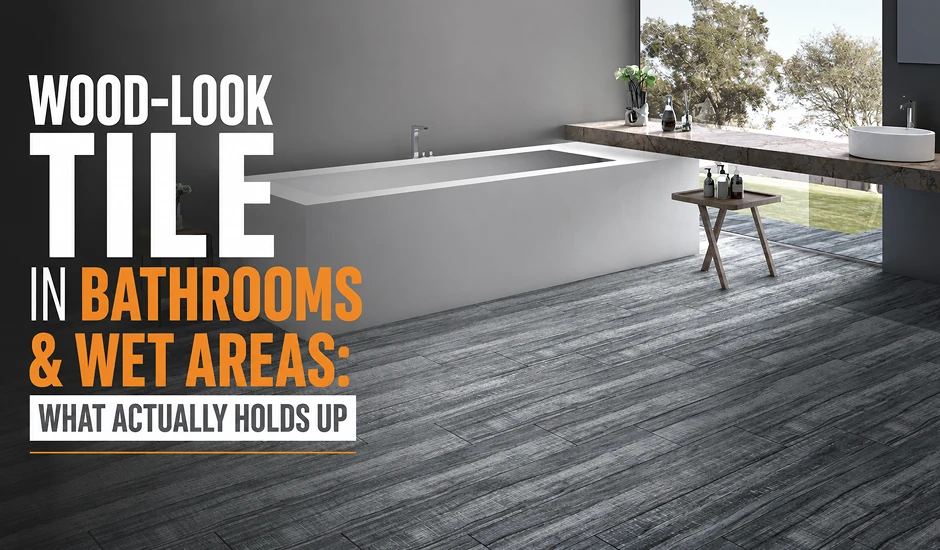
The warmth and organic beauty of hardwood floors are universally loved, but bringing that aesthetic into moisture-prone spaces like bathrooms, showers, and balconies has historically been a design nightmare. Traditional wood and water simply do not mix. Fortunately, advancements in digital printing and tile manufacturing have introduced a flawless solution: wood-look tile. Offering the authentic grain and texture of natural timber combined with the impenetrable strength of porcelain and ceramic, these tiles have revolutionized wet-area design. In this comprehensive guide, we will explore exactly how wood-look tiles perform in humid environments, compare them against traditional flooring, and outline the best applications for your home's wet areas.
The Problem with Traditional Flooring in Wet Areas
Before understanding why wood-look tile is the ultimate choice, it is crucial to look at how other popular flooring materials fail when exposed to high humidity and standing water.
- Natural Hardwood: Real wood is highly hygroscopic, meaning it constantly absorbs and releases moisture from the air. In humid bathroom environments, this absorption causes the wood planks to expand, leading to severe buckling, cupping, and crowning. Over time, this cycle of expansion and contraction compromises the floor's structural integrity and invites wood rot.
- Laminate Flooring: While often marketed as a water-resistant alternative, laminate is built on a high-density fiberboard (HDF) core that is incredibly absorbent. Prolonged humidity or trapped spills will cause the core to swell, resulting in permanent edge warping and surface bubbling. Unlike real wood, laminate cannot be sanded down; moisture damage requires a total replacement.
- Vinyl Plank Flooring (LVP): Vinyl itself is waterproof, but high-humidity environments can still cause catastrophic failures. In floating installations, excess moisture can cause the planks to shift and develop gaps. In glue-down applications, elevated subfloor moisture can degrade the adhesive, causing the flooring to lift. Furthermore, if water seeps beneath the planks, it creates a breeding ground for hidden mold and mildew.
Why Wood-Look Tile is the Ultimate Wet-Area Champion
To understand why wood-look tiles effortlessly outlast other materials in damp climates, you have to look at their composition.
1. Near-Zero Water Absorption
Porcelain wood-look tiles are fired at extreme temperatures (exceeding 2,200°F), creating a dense, vitrified structure. As a result, they boast a water absorption rate of less than 0.5%, making them virtually impervious to moisture. They will not swell, warp, or change shape, no matter how much steam or water they are exposed to.
2. Inherent Mold and Mildew Resistance
Because porcelain and ceramic tiles feature a non-porous surface, they do not retain internal moisture. This deprives mold, fungi, and mildew of the damp, organic environment they need to survive and spread.
3. The Power of the Protective Glaze
Most wood-look tiles feature a protective wear layer, or glaze, applied during the kiln-firing process. This glaze serves a dual purpose: it locks in the high-definition wood grain imagery and creates a permanent barrier that actively repels water, stains, and condensation.
4. Extreme Durability and Lifespan
Wood-look tiles carry high PEI (Porcelain Enamel Institute) ratings-often Class 4 or 5-meaning they are highly resistant to scratches, dents, and heavy foot traffic. While natural wood requires frequent sealing, sanding, and refinishing, a properly installed tile floor can last for decades with zero structural degradation.
5. Climate Adaptability (Content Gap)
In hot, sub-continent climates, wood-look tiles offer the visual warmth of timber but remain naturally cool underfoot, helping to regulate indoor temperatures. Conversely, if you live in a colder climate, wood-look tile is the perfect thermal conductor for radiant underfloor heating systems-giving you the cozy feel of heated wood without the risk of the planks drying out and cracking.
Porcelain vs. Ceramic Wood-Look Tile: Which is Better?
When shopping for wet areas, you will primarily choose between porcelain and ceramic. While they look similar on the surface, their structural differences are vital for bathroom and outdoor use.
- Porcelain Tile: Porcelain is denser, far less porous, and vastly superior at repelling water. It is universally considered the safest and most durable option for heavily saturated areas like shower floors, bathroom floors, and outdoor balconies.
- Ceramic Tile: Ceramic is slightly more porous (with water absorption rates up to 3%) and softer than porcelain. While this makes it easier to cut for DIY installations and perfectly suitable for accent walls or powder rooms, it is generally not recommended for direct shower floor exposure.
Top Applications for Wood-Look Tile in Wet Areas
The versatility of wood-look tile allows you to bring organic textures into spaces where real wood is strictly prohibited.
The Walk-In Shower
Wood-look tile has completely transformed shower design. You can break up the visual space by using wood-look planks on one accent wall while utilizing traditional porcelain or natural stone on the others. For shower floors, it is mandatory to use a highly textured or matte finish to provide traction for wet feet and prevent slipping. Stacking the planks vertically can also visually heighten a cramped shower stall.
Bathtub Surrounds
A wood-look tile surround provides stunning contrast when paired with a classic white porcelain sink or a vintage claw-foot tub. Dark wood tones create a cozy, enclosed spa feel, while weathered gray planks can give the space a breezy, coastal aesthetic. You can even run the tile up the wall to create a built-in ledge for soaps and shampoos.
Balconies and Pool Decks
Unlike real wood decking that fades in the sun and rots in the rain, outdoor-grade porcelain tiles are UV-resistant and weather-proof. They will not warp under extreme temperature fluctuations or heavy monsoons. When used around pools or open terraces, look for tiles engineered with advanced slip-resistant technology to guarantee a safe walking surface in damp conditions.
Critical Installation Rules for Humid Regions
Installing wood-look tiles in moisture-prone zones requires precision. If the foundation is weak, the durability of the tile itself will not save the project from failure.
- Subfloor Preparation: The subfloor must be perfectly level, clean, and thoroughly dry. For concrete substrates, perform a moisture test (such as a calcium chloride test) to ensure vapor emissions remain within acceptable limits-typically below 75% relative humidity. Correct any unevenness with high-quality, moisture-rated self-leveling compounds before beginning.
- Adhesives and Membranes: In high-humidity areas, use polymer-modified thin-set mortars that meet ANSI A118.4 or A118.15 standards to provide superior bond strength and moisture migration resistance. For maximum protection, install an uncoupling membrane; these serve as a vapor management layer and absorb substrate movement, preventing cracks from transferring through to the tile.
- Grout Selection: Because grout is the most common point of water intrusion, prioritize high-performance, non-porous grout formulations. 100% solids epoxy or urethane-based grouts are ideal because they naturally resist microbial contamination and staining. If using cementitious grout, ensure it is properly sealed and that you maintain a narrow joint-often 1/16" for rectified tiles-to minimize the exposed surface area.
- Ventilation: The environment surrounding the tile is just as important as the tile itself. In bathrooms and laundry rooms, install high-efficiency exhaust fans (checked for appropriate CFM ratings) to manage indoor humidity and prevent condensation buildup on surfaces.
Safety: The Slip-Resistance Factor
The biggest risk when using wood-look tiles in bathrooms or on balconies is the potential for slipping. Because these tiles mimic the look of natural wood, it is tempting to choose a glossy finish, which is dangerous in wet zones.
- Choose the Right Finish: Always prioritize matte, textured, or "grip" finishes for floors in bathrooms, showers, and outdoor balconies. These finishes provide the necessary traction for wet feet.
- Slip-Resistance Ratings: Always check the slip-resistance rating of your chosen tile. Tiles with higher anti-skid properties are mandatory for areas prone to water pooling.
- Wall vs. Floor Strategy: You can afford more creative freedom on walls, where glossy or smooth finishes are perfectly acceptable for aesthetic appeal since they are not subject to foot traffic.
Common Installation & Design Mistakes to Avoid
Even the best materials will fail if handled incorrectly. Avoid these frequent errors:
- The "Glossy Trap": Never install glossy or polished wood-look tiles on bathroom floors or balcony surfaces. They become dangerously slippery when wet.
- Ignoring the Slope: In wet areas like showers, proper floor slope toward the drain is essential. Failure to manage this leads to water pooling, which increases slip risk and puts unnecessary stress on the grout lines.
- Using Indoor Tiles Outdoors: Indoor-rated tiles lack the weatherproofing necessary to withstand UV rays, rain, and extreme temperature fluctuations. Always verify that your tiles are rated for outdoor or "exterior" use if installing on a balcony.
- Neglecting Expansion Gaps: Even though tile is dimensionally stable, proper installation requires attention to movement joints around the perimeter of the room to allow for structural settling.
Long-Term Maintenance and Care
One of the greatest benefits of wood-look tile is that it is fundamentally low-maintenance, but "low maintenance" does not mean "no maintenance."
- Routine Cleaning: Regular sweeping and damp mopping with a pH-neutral cleaner are usually sufficient to keep the tiles looking brand new.
- Sealing Protocols: While the porcelain tile itself is waterproof, grout lines may eventually benefit from periodic sealing. For areas exposed to persistent humidity, plan to reseal cementitious grout lines every 12 to 18 months using a penetrating silane or siloxane sealer.
- Maintenance of Assets: Because wood-look tiles do not warp, rot, or expand like real wood, they eliminate the need for expensive resurfacing, sanding, or polishing. This significantly reduces the total cost of ownership over a 30-year lifespan.
Final Verdict: Why Wood-Look Tile Wins
Wood-look tiles are not risky by nature; they are a safe, durable, and sophisticated choice, provided they are selected with the specific application in mind. By choosing high-quality, matte-finish porcelain tiles and ensuring they are installed with moisture-resistant setting materials, you can enjoy the warmth and elegance of wood in your home's most challenging spaces without the constant worry of water damage. When planning your next renovation, remember that the right tile choice is a long-term investment that adds both functional reliability and lasting value to your home.
Frequently Asked Questions (FAQs)
1. Does wood-look tile look good in a bathroom?
Yes, wood-look tile is an excellent choice for bathrooms. It provides the warm, organic aesthetic of natural timber while offering superior resistance to moisture, humidity, and steam, which would otherwise damage real wood.
2. Are wood-look tiles slippery?
While some polished or glossy versions can be slippery when wet, matte or textured wood-look tiles offer excellent slip resistance. It is essential to choose tiles with high anti-skid ratings for bathroom floors and shower areas to ensure safety.
3. Are wood-look tiles hard to clean?
Not at all. In fact, they are very low-maintenance compared to natural wood. They do not require sanding, waxing, or refinishing; regular sweeping and damp mopping with a pH-neutral cleaner are typically all that is needed to keep them looking new.
4. What is the lifespan of wood-look tiles?
Wood-look tiles are incredibly durable and are often designed to last for 30 years or more. Because they do not warp, rot, or expand due to moisture, they significantly outlast other flooring options like laminate or natural wood in humid environments.
Which tiles look best in the bathroom?
Porcelain wood-look tiles are widely considered the best option for bathrooms due to their dense, near-zero water absorption composition. They combine high-end aesthetics with the structural reliability needed for wet zones like shower floors and bathtub surrounds.
Is wood-look tile too trendy?
No, wood-look tile is a timeless design choice. It bridges the gap between classic natural warmth and modern, high-performance materials. Its versatility allows it to fit seamlessly into various architectural styles, from rustic and traditional to contemporary and minimalist.