

22 July 2026 7 min read
Chevron vs Herringbone Flooring: What the Difference?
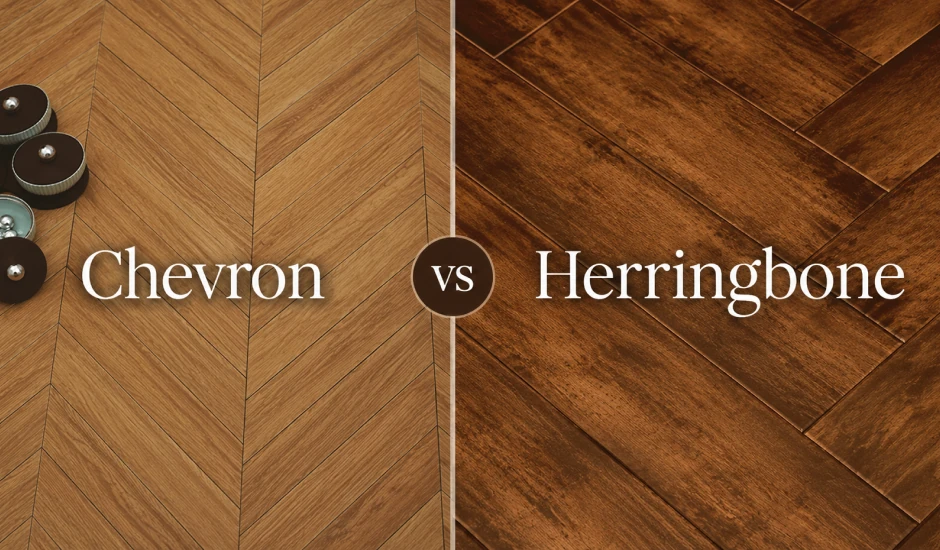
When it comes to patterned flooring, two heavyweight designs have dominated luxury interiors for centuries: Chevron and Herringbone. Both patterns boast striking geometric designs that bring depth, rhythm, and sophistication to any room. At a quick glance, they might look similar with their classic zig-zag appeal, but the differences between them go far beyond a simple visual aesthetic.
If you are planning to elevate your space with wood-look tiles, choosing the right pattern can transform a surface from simply decorative to truly defining. Here is the ultimate guide to understanding the actual difference between Chevron and Herringbone, and how to choose the perfect style for your home.
What is Herringbone?
The herringbone pattern is an ancient, enduring classic. Inspired by the skeletal structure of the herring fish, this design was originally used in Mesopotamian and Egyptian architecture to strengthen roads. It later became a symbol of European sophistication, famously featured in the Château de Fontainebleau in France in 1539.
The Design: A herringbone floor is characterized by rectangular planks laid in a staggered zigzag pattern. The planks are arranged at exact 90-degree angles to one another. Rather than meeting at a sharp point, the end of one plank overlaps the other, creating a broken, layered zigzag effect.
Because it uses standard rectangular tiles, Herringbone is incredibly versatile. At Metro Wooden Tiles, we offer a stunning variety of sizes to help you achieve this classic look perfectly scaled to your room:
- Herringbone Tiles 150x900mm – Perfect for standard living spaces and hallways.
- Herringbone Tiles 200x1000mm – Ideal for creating depth in larger rooms.
- Herringbone Tiles 200x1200mm – Great for an elongated, luxurious flow.
- Herringbone Tiles 200x1400mm – The ultimate choice for grand, open-plan spaces.
What is Chevron?
The term "chevron" is derived from an old French word meaning the "rafter of a roof". While its origins trace back to ancient Greek pottery and the Roman Empire, it became a hallmark of elite aristocratic style in 17th-century Paris.
The Design: The key identifier of a chevron floor is the continuous zigzag pattern that comes to a sharp, perfectly symmetrical point. To achieve this, the ends of the planks are cut at an angle (typically 45 or 60 degrees) so they fit seamlessly together at the top of the "V". This creates a crisp, highly directional layout with bold architectural impact.
Whether you want a tight pattern or a sprawling design, our Chevron tiles are crafted for precision:
- Chevron Tiles 80x450mm – Excellent for intricate feature walls, backsplashes, or cozy rooms.
- Chevron Tiles 150x900mm – The perfect balance of modern symmetry for flooring.
Chevron vs. Herringbone: The Key Differences
To help you decide which pattern belongs in your next project, let’s break down the head-to-head differences:
1. Visual Impact and Room Perception
- Chevron - Creates a sense of movement and directional flow, which acts as an optical illusion to make narrow rooms or hallways appear longer and more spacious. It delivers a sleek, modern, and crisp appearance.
- Herringbone - Adds texture, rhythm, and dimension. The overlapping joints soften the visual impact, making large, open spaces feel warmer, more relaxed, and visually balanced.
2. Installation and Complexity
- Chevron - Requires tiles cut at precise angles to ensure the "V" shape aligns perfectly along a straight line. It requires meticulous planning and is generally more labor-intensive to install.
- Herringbone - Because it uses standard 90-degree rectangular planks, it is generally more forgiving and easier to install than Chevron.
3. Structural Durability
- Herringbone - The interlocking 90-degree design is structurally superior when it comes to distributing weight and foot pressure evenly across the floor.
- Chevron - The sharp V-joints can occasionally trap dust if not cleaned regularly, though the sleek aesthetic is well worth the standard upkeep.
The "Tile" Advantage: Filling the Gap
While traditional hardwood floors in Chevron and Herringbone patterns are beautiful, they come with a host of natural flaws. Solid wood is hygroscopic, meaning it reacts to moisture and humidity. In areas like kitchens, bathrooms, or homes with underfloor heating, real wood planks are highly prone to warping, cupping, bowing, and gapping.
This is where Metro Wooden Tiles provide the ultimate solution.
By choosing our premium wooden floor tiles, you get the absolute best of both worlds:
- Zero Warping - Ceramic and porcelain tiles are completely immune to the humidity and moisture issues that destroy real wood.
- Underfloor Heating Compatibility - Tiles are excellent thermal conductors, making them the safest and most efficient choice over radiant heating systems.
- Flawless Precision - Chevron requires perfect angled cuts. Our high-quality tiles are manufactured with laser-sharp precision, ensuring your chevron points align flawlessly without the splintering or expanding associated with natural timber.
- Low Maintenance - Say goodbye to expensive sanding and refinishing. A simple sweep and mop are all you need to keep your tiled pattern looking brand new for decades.
Which Pattern Should You Choose?
Neither pattern is inherently better than the other; it all comes down to your personal design intent.
If you want a timeless, textured look that adds warmth and heritage character to a space, Herringbone is your perfect match. If you prefer striking geometry, symmetry, and a bold modern statement that elongates your room, Chevron is the way to go.
Ready to transform your home? Explore the full range of premium, durable designs at Metro Wooden Tiles today!
Frequently Asked Questions (FAQs)
Q1. Is there a difference between herringbone and chevron?
Yes, while both create a striking zig-zag effect, the difference comes down to how the tiles meet. Herringbone uses staggered rectangular tiles, forming a broken zigzag that adds texture and visual depth. Chevron uses angled cuts, meeting point-to-point to create a continuous, sharp V-shape with highly graphic lines.
Q2. Is chevron or herringbone harder to install?
Chevron is generally considered harder and a bigger challenge to install. Herringbone is more forgiving because the planks meet at standard 90-degree angles, making alignment simpler and easier to correct if things start to drift. Chevron requires precise angled cuts and perfect symmetry, meaning even the slightest error can disrupt the entire pattern.
Q3. Is chevron more expensive than herringbone?
Yes, chevron is typically more expensive than herringbone. The extra cost comes down to the installation process. Because chevron requires precise angled cuts and perfect point-to-point alignment, it takes more time, requires highly skilled labor, and often results in more material waste from the cut tiles.
Q4. Are the chevron and herringbone patterns outdated?
Not at all! While overly bright, mass-produced chevron prints in cheap home decor are widely considered "out," the core geometric concepts of both Chevron and Herringbone remain timeless classics in elevated interior design. When applied to high-quality materials like wood-look tiles, both patterns provide a sophisticated and highly sought-after aesthetic that never goes out of style.
Q5. What is the disadvantage of herringbone flooring?
The main disadvantage of a herringbone pattern is that it can appear visually "busy" or overwhelming if used in very tiny, cramped rooms, especially if a dark color or heavy texture is chosen. Additionally, while easier than chevron, herringbone still requires accurate alignment and takes more time to install compared to laying standard straight planks